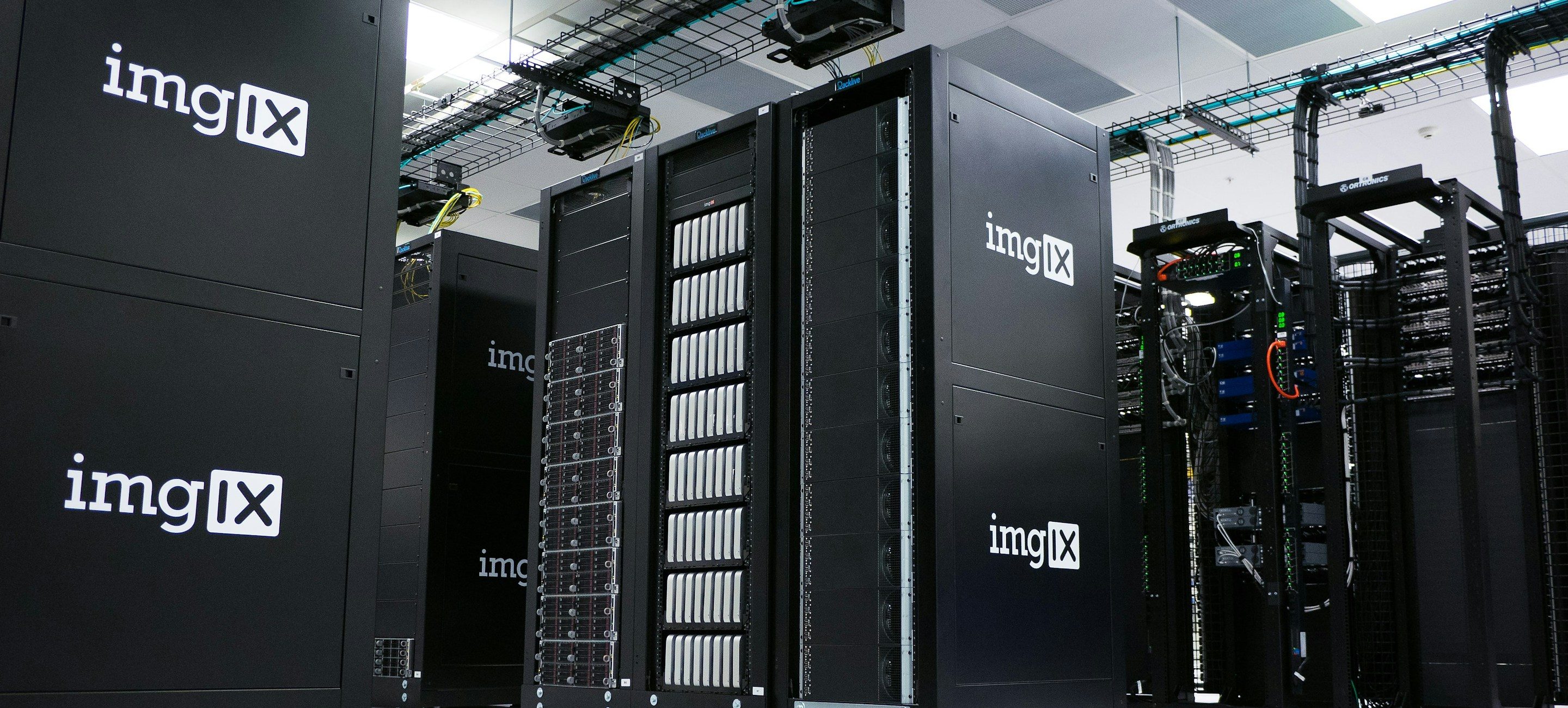
DCIM is valuable, but only when teams understand where the model ends and physical verification must begin. This article explains why the difference between planned infrastructure and installed infrastructure is operationally important.
Key takeaways
- DCIM often reflects expected state, not confirmed state.
- Reality gaps distort capacity, dependency, and risk analysis.
- Verification should complement DCIM, not replace it.
The model
DCIM is strongest when it captures intent.
Planning systems help teams document expected layouts, power relationships, rack occupancy, and deployment standards. That structure is useful and necessary. The problem begins when teams assume the model is automatically true in the room.
When teams ignore that difference, they troubleshoot and plan against fiction.
The gap
Physical environments drift from planned layouts.
Moves, additions, emergency swaps, patch changes, and label decay all create divergence. Over time, the planned state and the installed state are no longer the same thing. When teams ignore that difference, they troubleshoot and plan against fiction.
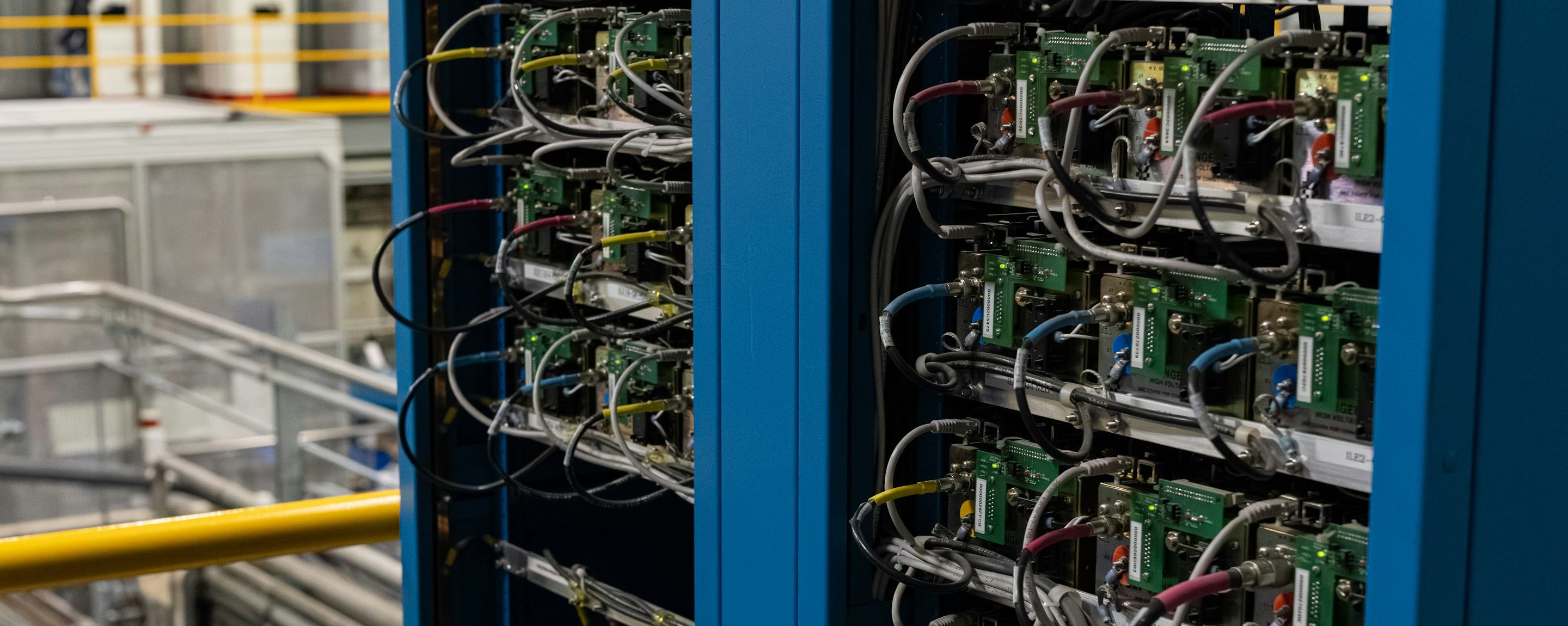
The right approach
Use DCIM as structure and verification as proof.
The most effective programs combine planning systems with physical validation. DCIM holds the operating model. Verification confirms whether the environment still matches it. That combination creates a stronger source of truth than either system alone.