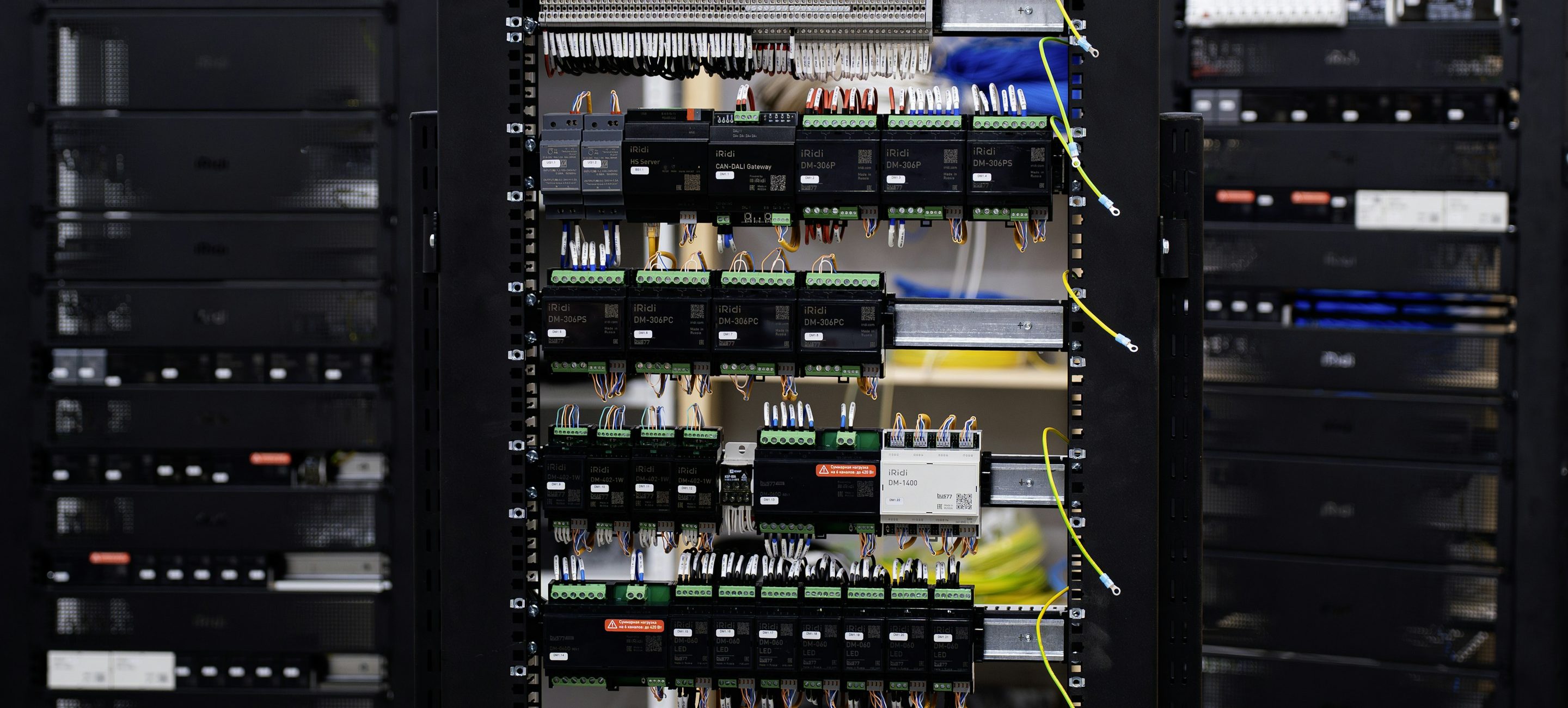
CMDB drift is not just a documentation problem. It quietly degrades planning, troubleshooting, security reviews, and investment decisions across the infrastructure team. This article explains why physical verification matters when the system of record no longer matches what is really installed in the rack.
Key takeaways
- Configuration systems decay faster than most teams expect.
- Operational risk compounds when asset records are assumed to be correct.
- Visual verification gives teams a defensible way to close the gap.
Why drift happens
Change moves faster than documentation.
Rack environments are dynamic. Hardware gets replaced, labels change, uplinks move, and temporary fixes often become permanent. In many teams, those changes are documented later, if they are documented at all. The result is a CMDB that still looks complete on paper while slowly diverging from what engineers would find if they walked the room today.
Why it matters
Bad inventory creates expensive decisions.
Capacity planning, incident response, refresh forecasting, compliance reviews, and vulnerability scoping all depend on accurate infrastructure records. Once the source of truth drifts, every downstream workflow inherits uncertainty. That uncertainty turns into wasted time, avoidable hardware purchases, longer outages, and difficult audit conversations.
The result is a CMDB that still looks complete on paper while slowly diverging from what engineers would find if they walked the room today.
What good teams do differently
They verify the rack, not just the record.
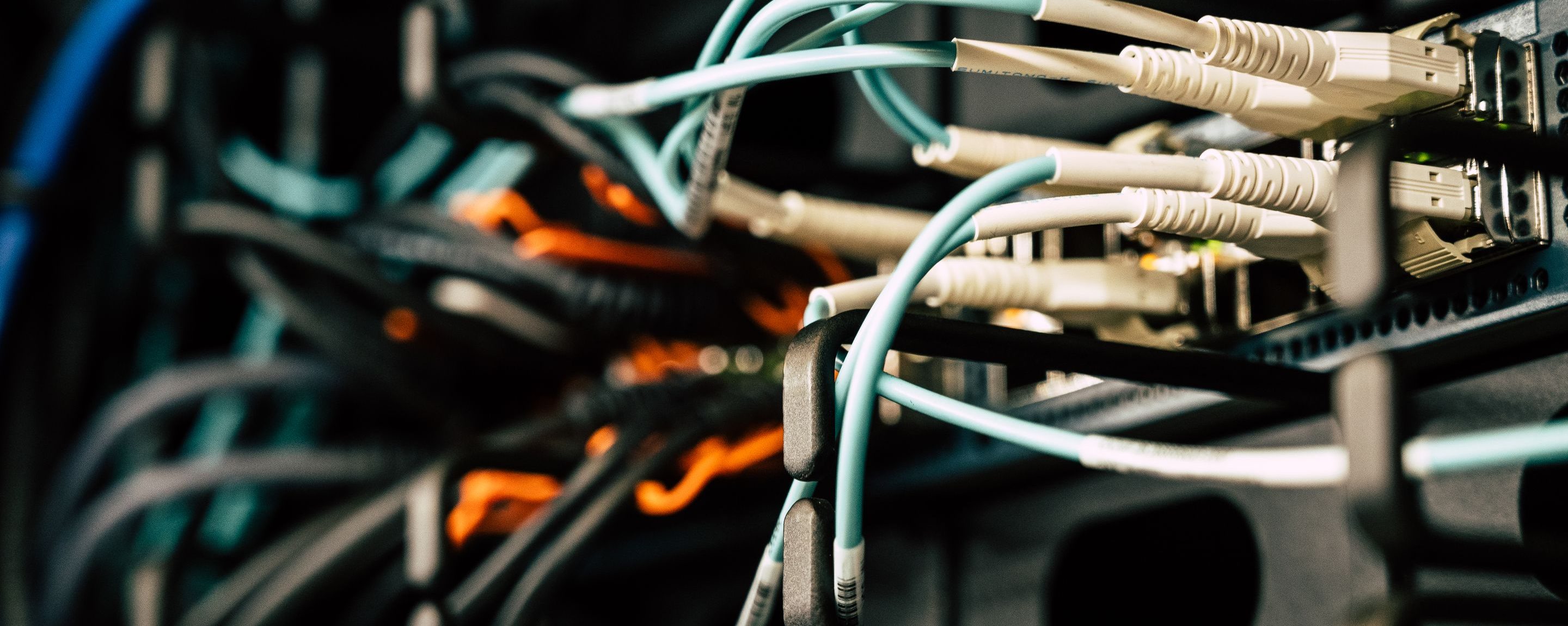
High-trust infrastructure programs treat physical verification as part of operational hygiene. They compare what is documented against what is visible in the rack and use that evidence to reconcile the system of record. This approach turns the CMDB from a best-effort spreadsheet into something teams can rely on under pressure.