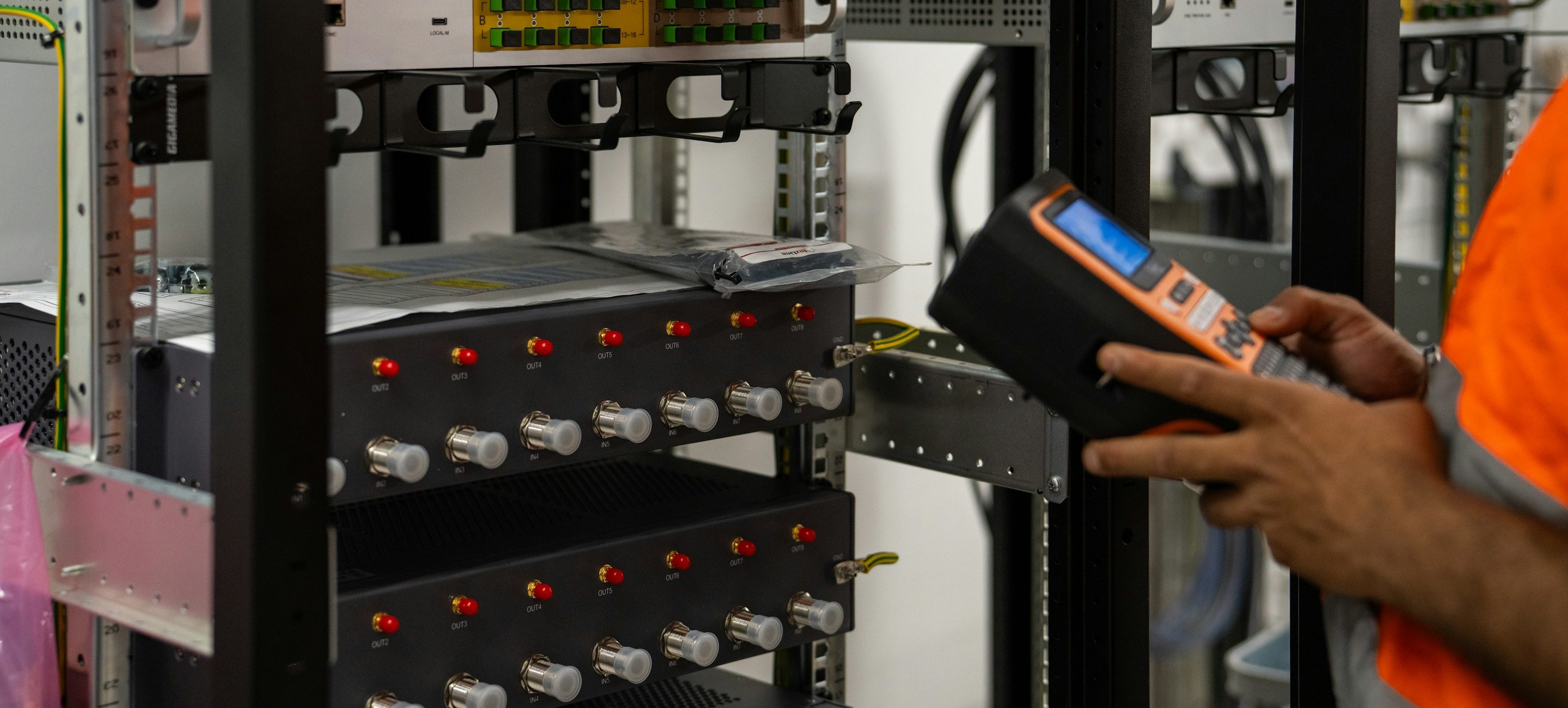
Evidence-grade inventory means every important infrastructure record can be traced back to something verifiable, not just something entered into a form. The strongest inventory programs do not stop at asset lists. They preserve the proof behind the list.
Key takeaways
- Trust improves when records are tied to visible evidence.
- Audit readiness depends on traceability, not just completeness.
- Evidence-first inventory supports both operations and governance.
What it means
Evidence-grade is inventory you can defend.
An evidence-grade record is not just a row in a database. It is a row that can be tied back to visual proof, capture context, and a clear verification step. That makes it useful in executive review, incident analysis, and external audit conversations alike.
Disagreements can be resolved by checking the source, not by debating who last edited a record.
Static records age, evidence holds up.
Most infrastructure systems assume records stay true until someone updates them. Evidence-grade workflows reverse that assumption. They ask teams to prove what is there when it matters most. This makes the inventory base more reliable for planning, risk review, and cross-functional decision making.

What changes
Teams move from opinion to proof.
With evidence attached to physical inventory, reconciliation becomes simpler. Disagreements can be resolved by checking the source, not by debating who last edited a record. That shift reduces friction across infrastructure, security, and compliance teams.