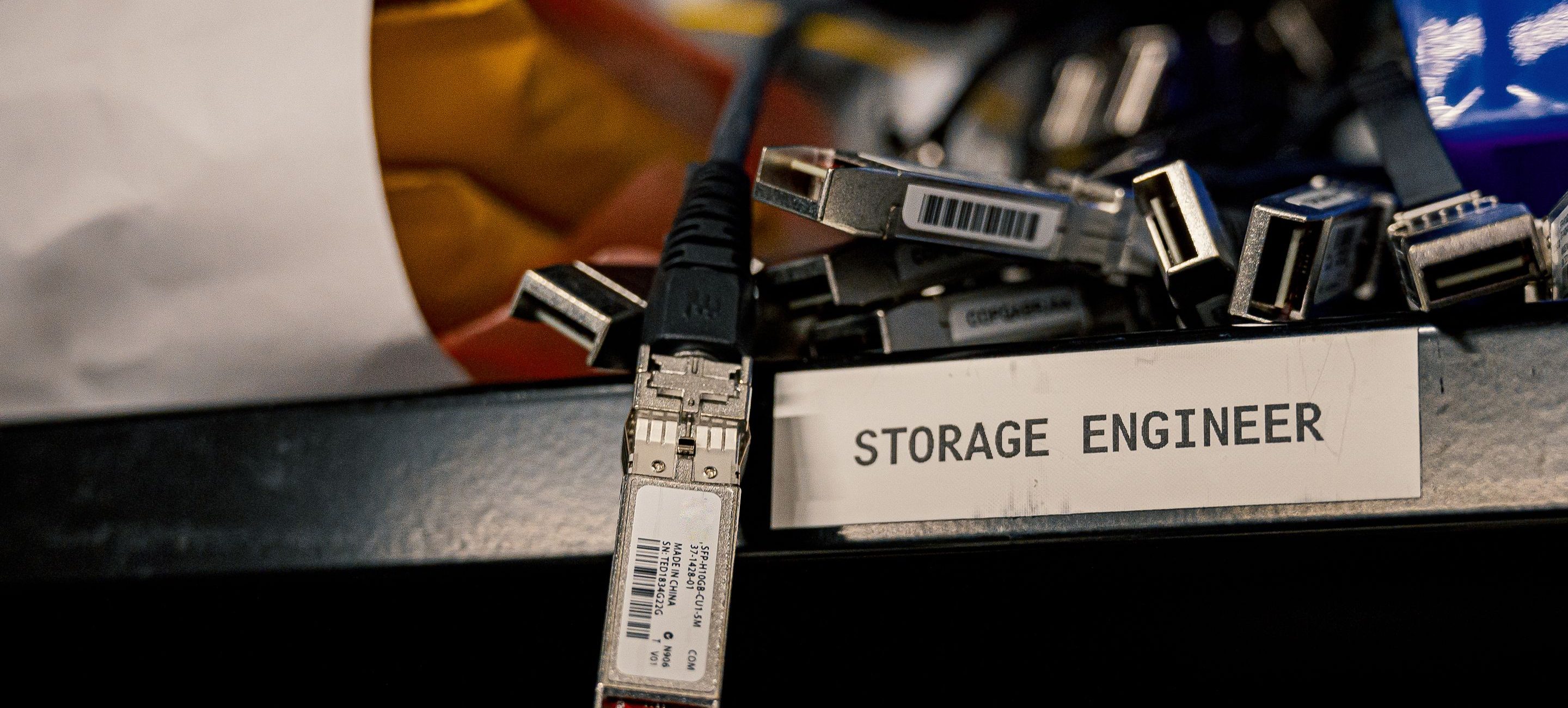
Inventory inaccuracy creates financial waste in quiet ways. Teams often feel the cost long before they measure it directly. Better rack visibility improves budget quality by reducing avoidable purchases, bad assumptions, and preventable rework.
Key takeaways
- Wrong inventory distorts investment decisions.
- Overbuying often starts as an accuracy problem.
- Verified rack data makes business cases easier to defend.
Where the cost hides
Waste usually looks like uncertainty.
When teams cannot trust what is already installed, they buy defensively. They reserve extra hardware, overestimate risk, or accelerate refresh decisions before they are necessary. That caution may feel responsible, but it increases spend.
Operational fallout
Bad inventory also burns labor.
Finance impact is not limited to equipment purchases. Engineers lose time validating rack state during planning, migrations, and incident response. That hidden labor cost compounds across every major infrastructure project.
When teams cannot trust what is already installed, they buy defensively.
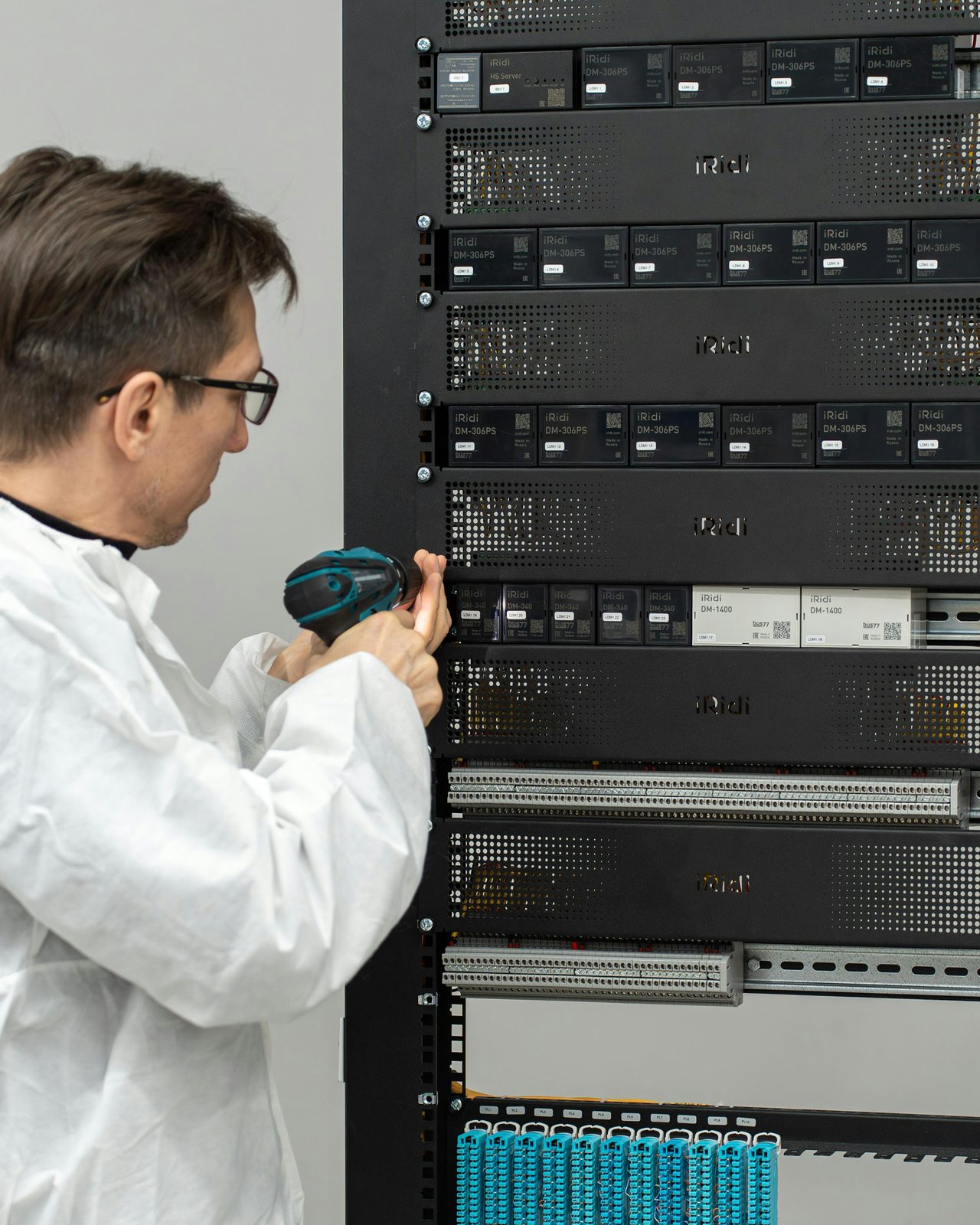
What changes with better visibility
Confidence improves the quality of spend.
When teams can confirm what exists, what is available, and what has changed, budgets become more precise. Capacity conversations shift from assumption to evidence. That makes both finance and engineering teams more effective.